Game Reviews
Survival Horror and Open World Evolution
March 3, 2023
#RE4Remake
#SurvivalHorror
#PCPorts
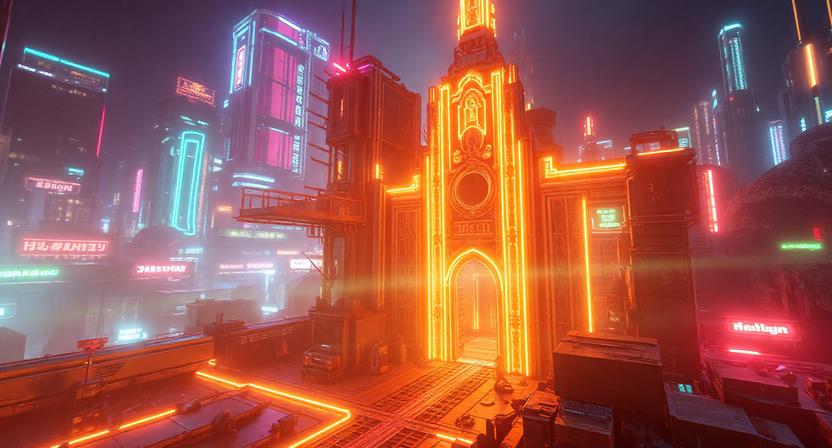
March 2023 was a landmark month for survival horror and the ongoing evolution of open-world design. This period saw the release of several titles that didn't just meet expectations but actively redefined the technical boundaries of their genres. The headline act was undoubtedly the Resident Evil 4 Remake, a project that many considered impossible to improve upon. Capcom proved the skeptics wrong by using their RE Engine to deliver fidelity redefined, blending the original's high-octane tension with modern mechanics and improved accessibility. [Source: Capcom Technical Review]
The technical analysis of Resident Evil 4 revealed a masterclass in character animations and enhanced lighting systems. By expanding the inventory management and adding new parry mechanics, Capcom transformed a classic into a modern standard for horror game remastering. This wasn't just a facelift; it was a fundamental rethink of how a survival horror game should feel in 2023.
 Meanwhile, Wo Long: Fallen Dynasty pushed the souls-like genre into new territory. Developed by Team Ninja, the game’s AI enemy systems were particularly noteworthy. Enemies didn't just attack; they utilized strategic positioning and contextual reactions to the player's Morale level. This adaptive difficulty scaling ensured that the Three Kingdoms setting felt dangerous and alive. It brought a sense of historical accuracy to a fantasy setting that resonated with fans of hardcore action RPGs.
However, the month also served as a cautionary tale with The Last of Us Part I PC launch. Despite being a masterpiece on console, the initial PC port suffered from severe performance issues, particularly regarding shader compilation optimization. It took several weeks of post-launch updates and DLSS integration for the game to reach its potential. These releases collectively highlighted the maturation of these genres—where technical innovation is now just as important as the narrative itself. Readers will find that the dedication to fixing these issues shows the industry's commitment to the PC gaming community, even if the road to stability is often rocky.
Meanwhile, Wo Long: Fallen Dynasty pushed the souls-like genre into new territory. Developed by Team Ninja, the game’s AI enemy systems were particularly noteworthy. Enemies didn't just attack; they utilized strategic positioning and contextual reactions to the player's Morale level. This adaptive difficulty scaling ensured that the Three Kingdoms setting felt dangerous and alive. It brought a sense of historical accuracy to a fantasy setting that resonated with fans of hardcore action RPGs.
However, the month also served as a cautionary tale with The Last of Us Part I PC launch. Despite being a masterpiece on console, the initial PC port suffered from severe performance issues, particularly regarding shader compilation optimization. It took several weeks of post-launch updates and DLSS integration for the game to reach its potential. These releases collectively highlighted the maturation of these genres—where technical innovation is now just as important as the narrative itself. Readers will find that the dedication to fixing these issues shows the industry's commitment to the PC gaming community, even if the road to stability is often rocky.
Meanwhile, Wo Long: Fallen Dynasty pushed the souls-like genre into new territory. Developed by Team Ninja, the game’s AI enemy systems were particularly noteworthy. Enemies didn't just attack; they utilized strategic positioning and contextual reactions to the player's Morale level. This adaptive difficulty scaling ensured that the Three Kingdoms setting felt dangerous and alive. It brought a sense of historical accuracy to a fantasy setting that resonated with fans of hardcore action RPGs.
However, the month also served as a cautionary tale with The Last of Us Part I PC launch. Despite being a masterpiece on console, the initial PC port suffered from severe performance issues, particularly regarding shader compilation optimization. It took several weeks of post-launch updates and DLSS integration for the game to reach its potential. These releases collectively highlighted the maturation of these genres—where technical innovation is now just as important as the narrative itself. Readers will find that the dedication to fixing these issues shows the industry's commitment to the PC gaming community, even if the road to stability is often rocky. Related Articles
Game Reviews
October's Major Game Releases and Reviews
Mid-October delivered several high-profile releases that captured significant attention across the g...
By Admin
Oct 17